


Your eyelids feel tight. There’s some swelling. Is that normal, or should you call your surgeon? For most people recovering from ptosis correction, the days after surgery bring more questions than answers — and searching for reassurance at 2 a.m. isn’t the recovery plan anyone wants.
If you’ve recently undergone ptosis (drooping eyelid) correction, congratulations — you’ve taken an important step toward clearer vision and a more refreshed appearance. But surgery is only half the journey. Good post-ptosis surgery care is what actually determines how well you heal and how natural your final results look. This guide walks you through exactly what to expect, week by week, so you know what’s normal, what needs attention, and how to help your eyes heal properly.
The first 24 hours after ptosis surgery
Immediately after surgery, your eye will likely be patched, and the patch is usually removed the next day. During this initial window, mild pain, watering, or a feeling of tightness in the eyelid is completely normal — it’s simply part of your body’s healing response.
Your surgeon will prescribe painkillers to manage discomfort, and ice packs can help reduce swelling during this stage. If pain feels severe or unmanageable even with medication, that’s worth flagging to your care team early.
Week one: the most critical phase of recovery
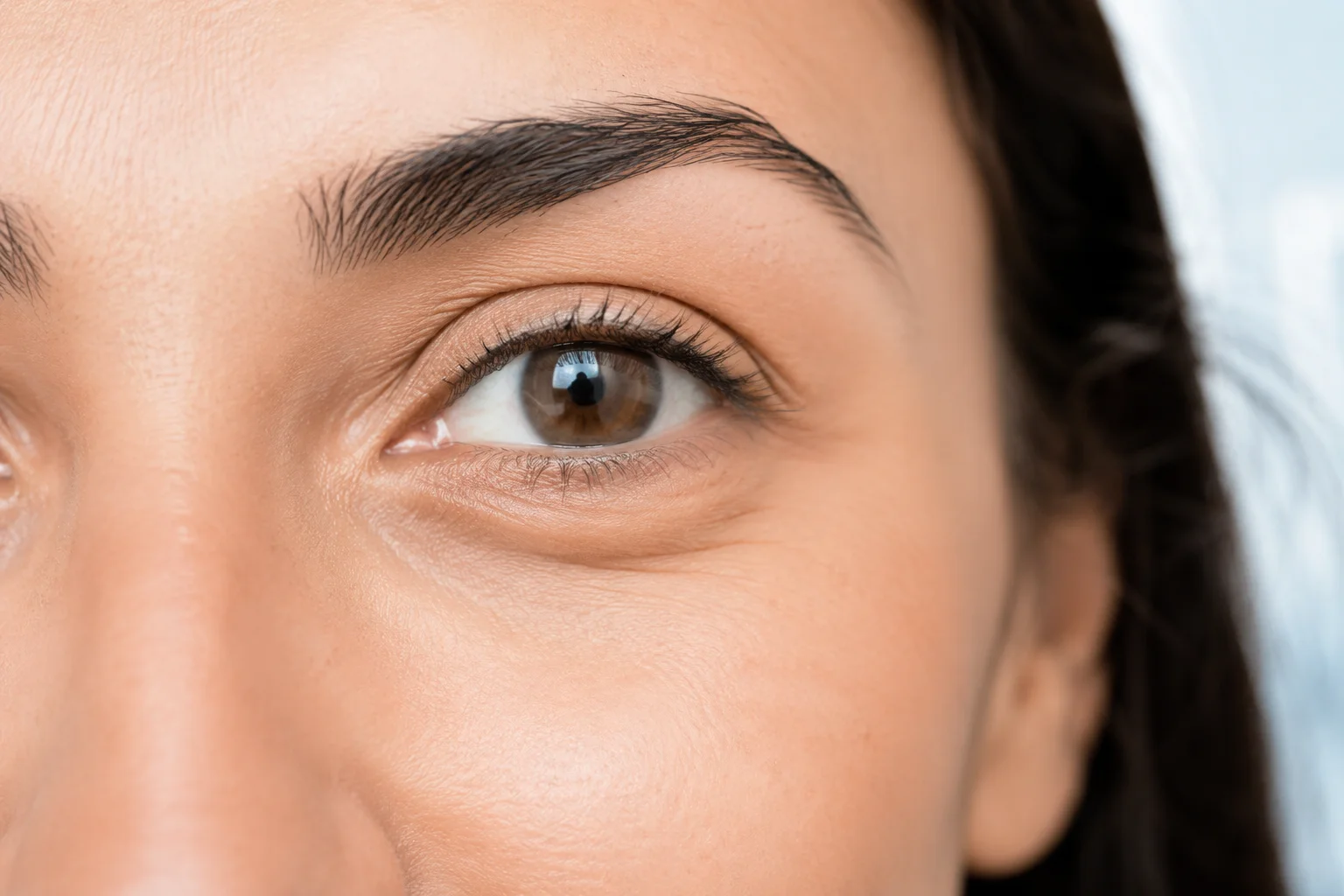
The first week after your patch is removed is when ptosis surgery recovery is most active — and most visible. You may notice swelling and bruising around the operated area. This is expected and typically peaks in the first few days before gradually improving.
What helps during this week:
- Cold compresses to ease swelling
- Sleeping with your head slightly elevated (an extra pillow helps fluid drain rather than pool around the eye)
- Prescribed tear substitutes and antibiotic ointment, applied both inside the eye and on the stitches
- Sterile tissue wipes to gently clean your face and the stitch site, since ointments can attract dust
It typically takes about five days for swelling to noticeably subside, though everyone heals at a slightly different pace.
What to avoid in week one
This is also when your skin is healing and your eyelid muscle is gradually regaining normal function, so your body needs a genuinely low-strain environment. During this period, avoid:
- Heavy lifting, gym workouts, and yoga
- Swimming
- Wearing contact lenses
- Excessive forward bending
- Straining from chronic cough or constipation — if you have either, get it treated promptly, since any pressure around the eyes can interfere with healing
Light activity is not just permitted but encouraged: routine walks, watching TV, and using your phone are all fine. Just remember to wash your hands before applying any medication near your eyes.
After stitch removal: 7–10 days post-surgery
Around the one-to-two week mark, your stitches will be removed and you can gradually resume most routine activities. That said, continue avoiding heavy lifting for another two to three weeks as your tissues keep strengthening.
There’s generally no dietary restriction during recovery, so you can eat normally throughout this period.
When your eyelid looks “off” — and why that’s usually fine
It’s common to feel like your eyelid looks slightly overcorrected or undercorrected in the early weeks — this is almost always tissue swelling, not a surgical outcome. Give it a full six weeks for internal healing to complete before judging your final results. Rushing to conclusions in week two or three rarely reflects how things will actually settle.
Warning signs — when to call your doctor immediately
While most post-op symptoms are a normal part of healing, certain changes warrant an immediate call to your surgeon rather than waiting for your next follow-up:
- Worsening eyelid swelling
- Worsening pain
- A noticeable change in eyelid color
- Blurred vision
- Fever
Any of these signs should prompt a same-day call to your care team. Beyond these red flags, your doctor will schedule a follow-up visit within a week to ten days for stitch removal — attending every follow-up and sticking closely to your instructions is one of the biggest factors in a smooth recovery.
The bottom line
A skilled surgery gets you most of the way there, but disciplined post-operative eye care is what makes the results truly hold up. Following your surgeon’s instructions on medication, activity restrictions, and follow-up visits isn’t a formality — it’s the difference between a good outcome and a great one.
If you’re recovering from ptosis surgery and have questions about your symptoms or timeline, don’t wait it out — reach out to your care team directly.
Book a consultation with Shekar Eye Hospital Team: 📅 Book online 📞 080-35333444
Frequently Asked Questions
How long does swelling last after ptosis surgery?
Swelling typically starts improving after about five days, though mild residual swelling can persist for a few weeks. Full internal healing usually takes around six weeks, which is when you’ll see your true final result.
Is it normal for my eyelid to look uneven after ptosis surgery?
Yes. Temporary asymmetry, or an eyelid that looks slightly over- or under-corrected, is usually due to swelling rather than the actual surgical result. This typically resolves as healing progresses over the following weeks.
When can I go back to the gym after ptosis surgery?
Avoid gym workouts, yoga, and heavy lifting for at least the first week, and continue avoiding heavy lifting for two to three weeks after stitch removal. Always confirm timing with your surgeon based on your individual healing.
Can I wear contact lenses after ptosis surgery?
No — contact lenses should be avoided during the first week of recovery to protect the healing eyelid and reduce infection risk.
What symptoms mean I should call my doctor immediately after ptosis surgery?
Worsening swelling, worsening pain, a change in eyelid color, blurred vision, or fever are all signs to contact your surgeon right away rather than waiting for your scheduled follow-up.