




The Retina of Eye: A Vital Part
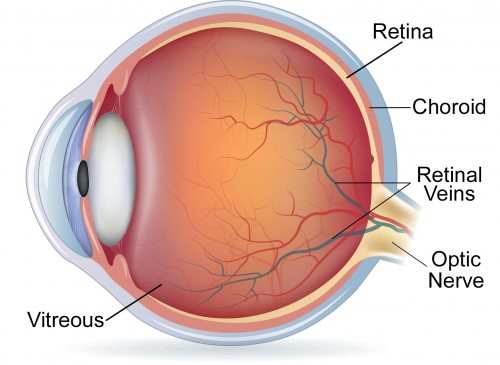
The retina is a complex and crucial component of the eye responsible for converting light into signals that the brain interprets as vision. Positioned at the back of the eye, the retina contains photoreceptor cells, namely rods and cones, which detect light and colour. These signals are then transmitted through the optic nerve to the brain, enabling the perception of images. The intricate network of cells in the retina ensures precise visual information processing. Regular eye check-ups are essential to monitor retinal health, as conditions affecting the retina can impact overall vision. Understanding the role of the retina underscores its significance in maintaining optimal eye function and visual clarity.
At Shekar Eye Hospital, we understand that your vision is invaluable. As a cornerstone of our specialities, our Retina Department is dedicated to providing world-class care and state-of-the-art treatments for a wide range of retinal disorders.
Understanding the Retina of Eye
The retina of eye is a thin layer of tissue located at the back of your eye. It contains millions of light-sensitive cells and plays a pivotal role in vision. It receives the light that the lens has focused on, converts the light into neural signals, and sends these signals to the brain for visual recognition.
Common Retinal Disorders
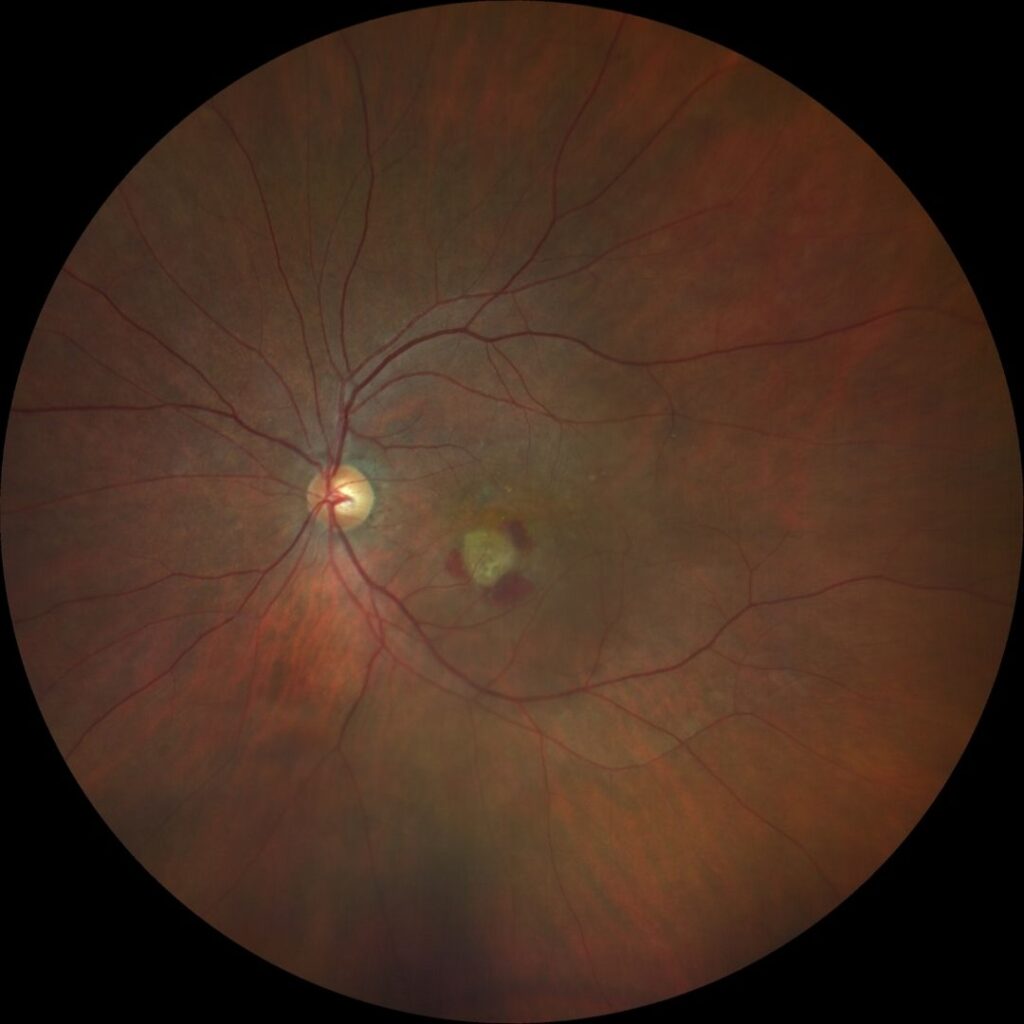
- Age-Related Macular Degeneration (AMD): As the name suggests, AMD is a common condition among the elderly and leads to central vision loss.
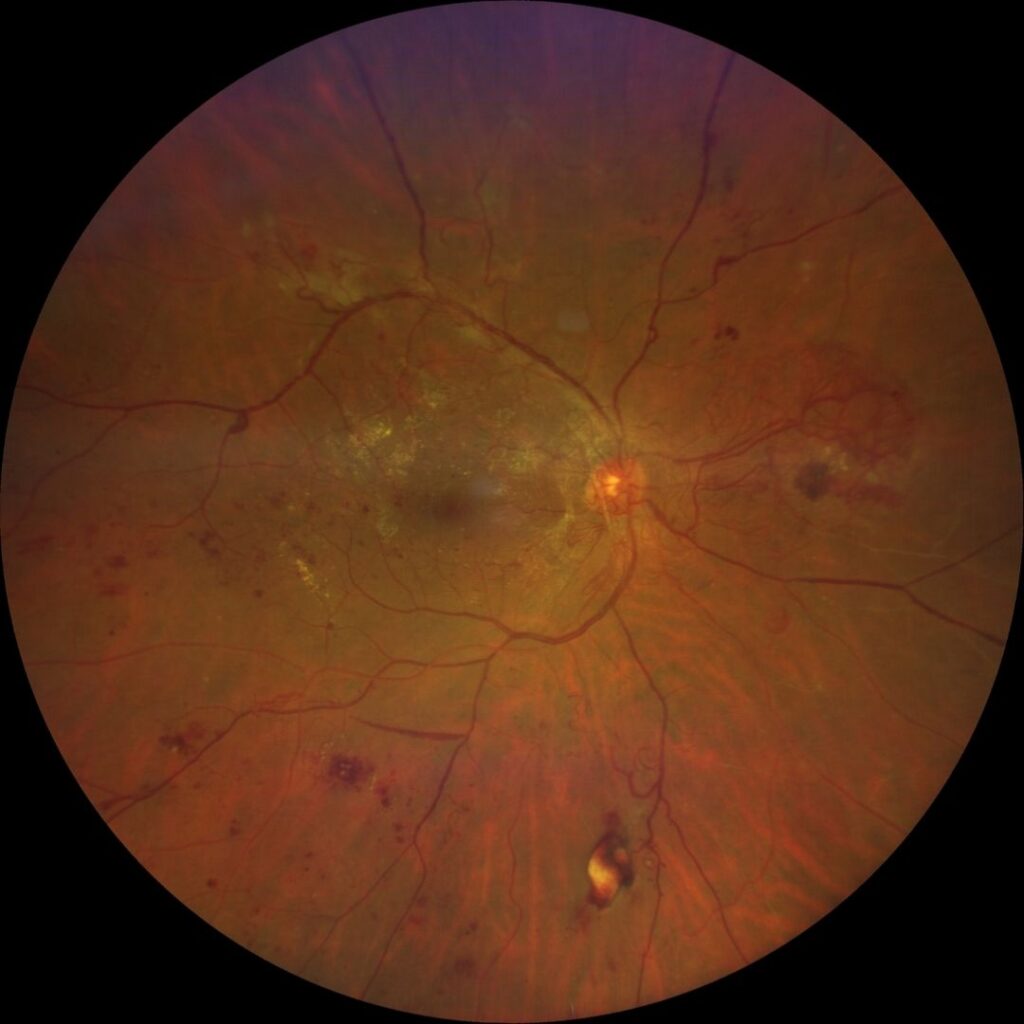
- Diabetic Retinopathy: Persistent high blood sugar levels can damage the tiny blood vessels in the retina, leading to this condition.
- Retinal Detachments: It’s a medical emergency where the retina gets lifted or pulled from its normal position.
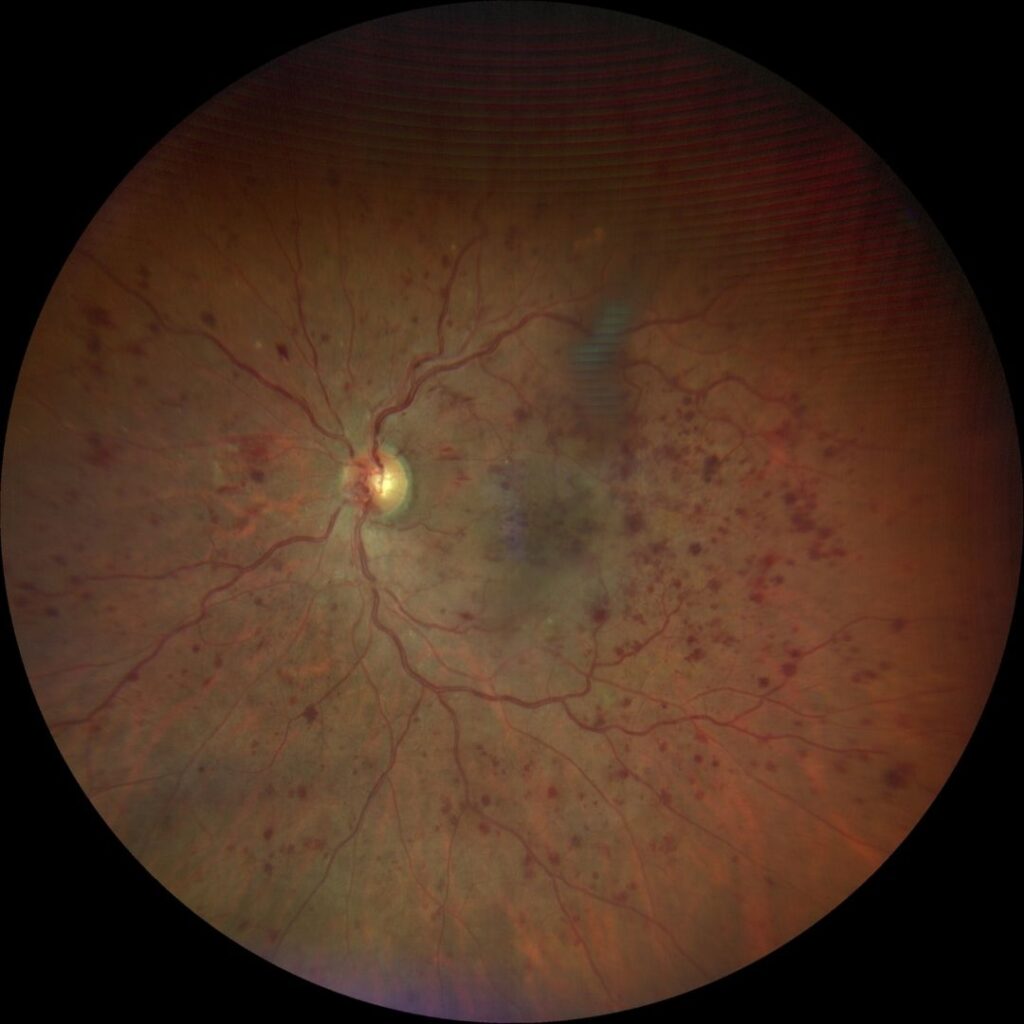
- Retinal Vein Occlusion: A blockage of the small veins that carry blood away from the retina.
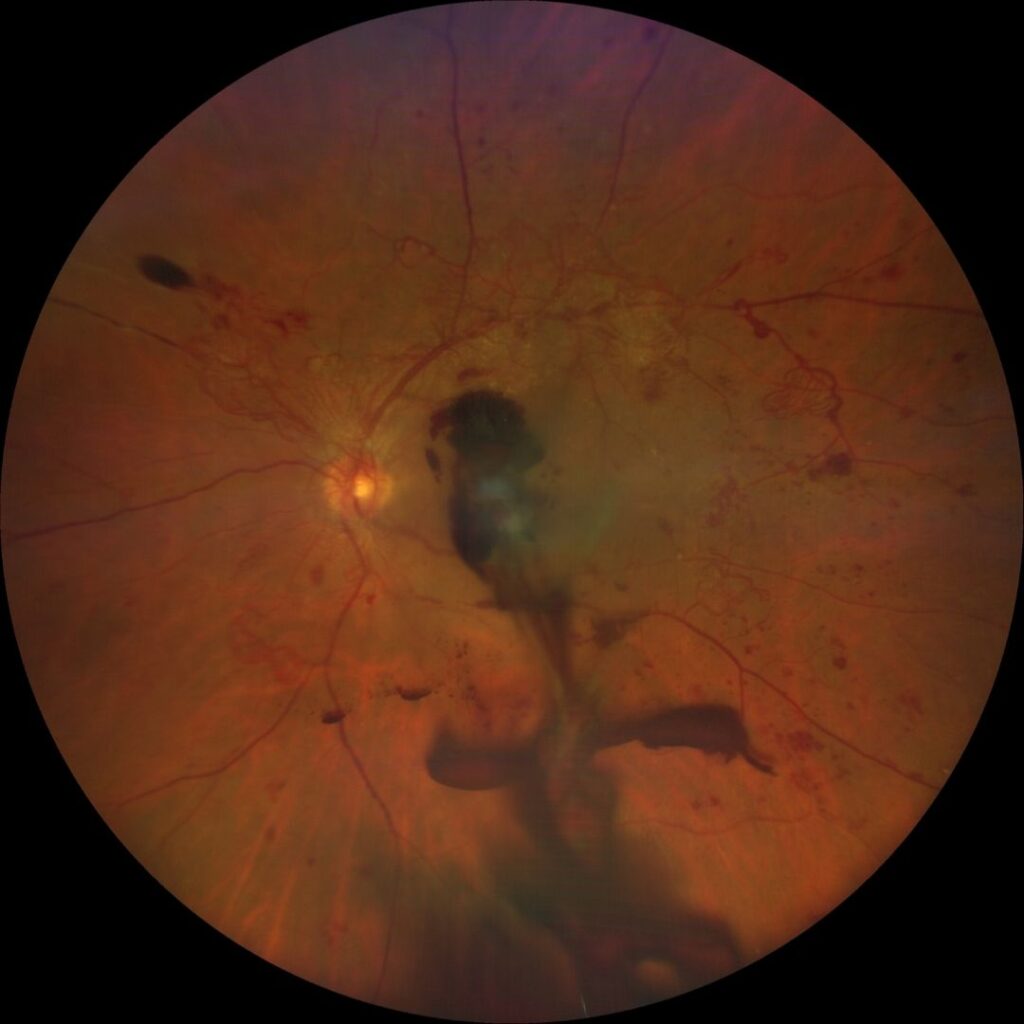
Our Approach
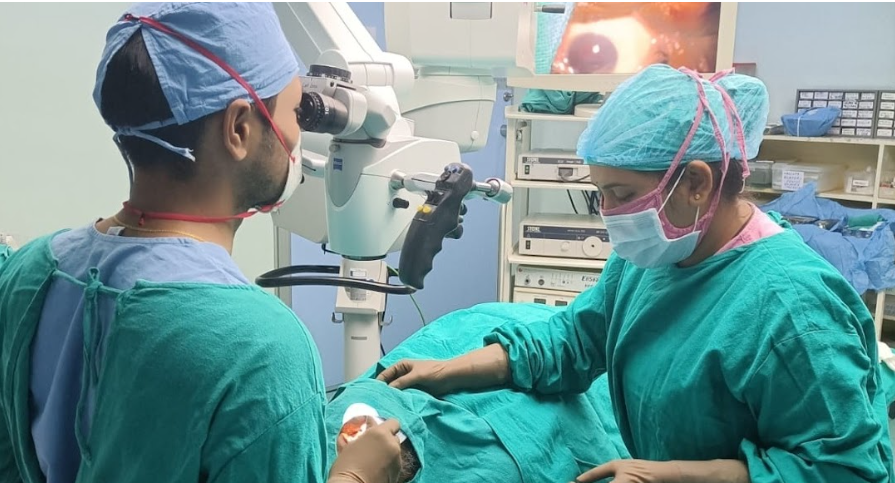
Diagnosis: We utilize the latest diagnostic equipment and techniques to accurately identify retinal disorders. This includes Optical Coherence Tomography (OCT), Fundus Fluorescein Angiography, and more.
Treatment: Depending on the diagnosis, treatments may range from less invasive solutions like laser therapy or injections to surgical interventions.
Why Choose Shekar Eye Hospital for Retina Care?
- Expertise: Our team of retinal specialists is renowned for their expertise and is dedicated to treating even the most complex cases with precision and care.
- Advanced Technology: We stay updated with the latest advancements in ophthalmology, ensuring our patients have access to the best possible care.
- Personalized Care: Each patient is unique. We tailor our treatment plans to suit individual needs, ensuring optimal outcomes.
- Holistic Approach: Beyond treatment, we focus on educating our patients about their conditions, preventive measures, and post-treatment care.
Post-Treatment Care
The recovery and post-treatment period are as crucial as the treatment itself. We emphasize the importance of regular follow-ups, adherence to medication, and immediate consultation in case of any discomfort or visual anomalies.
Conclusion
The retina of eye is a vital component of our vision system, and any issue with it requires immediate attention. At Shekar Eye Hospital, we are committed to ensuring that your sight remains as impeccable as possible. Trust us with your vision, and we promise to provide unparalleled retina care.
Frequently Asked Questions
What is the cost of retina treatment?
The cost of retina treatment depends on the specific retinal condition, the tests required, and the type of treatment recommended. Simple retinal examinations may cost less than advanced treatments such as retinal laser procedures, intravitreal injections, or retinal surgery.
What are common retinal diseases?
The retina can be affected by several conditions that may impact vision. Some of the most common retinal diseases include diabetic retinopathy, retinal detachment, age-related macular degeneration (AMD), retinal vein occlusion, macular hole, epiretinal membrane, and retinal tears.
Many retinal diseases develop gradually and may not cause symptoms in the early stages. Regular eye examinations help to detect these conditions early, allowing timely treatment and better protection of vision.
Can retinal damage be repaired?
The possibility of repairing retinal damage depends on the cause, severity, and how early treatment is started. Some retinal conditions can be treated successfully to preserve or improve vision, while damage that has already occurred may not always be completely reversible.
What causes retinal detachment?
Retinal detachment occurs when the retina separates from the back of the eye, preventing it from functioning normally. It may be caused by retinal tears, severe eye injury, advanced diabetic eye disease, high myopia (severe nearsightedness), or age-related changes in the vitreous gel inside the eye.
When should I see a retina specialist?
You should see a retina specialist if you experience sudden vision loss, flashes of light, new or increasing floaters, distorted vision, difficulty seeing straight lines, or a curtain-like shadow over part of your vision. These symptoms may indicate a retinal condition that requires urgent evaluation.
People with diabetes, high myopia, previous retinal problems, or a family history of retinal disease should also have regular retinal examinations to detect problems early and protect their vision.
What are the first signs of retina problems?
The first signs of retinal problems may include blurred or distorted vision, flashes of light, floaters, difficulty seeing at night, reduced central vision, or the appearance of dark spots or shadows in your field of vision.
Some retinal diseases do not cause symptoms in their early stages, which is why routine eye examinations are important, especially for people at higher risk. Early diagnosis can help prevent permanent vision loss.
What are the 5 diseases of the retina?
Some of the most common retinal diseases include:
• Diabetic retinopathy – Damage to the retinal blood vessels caused by diabetes.
• Retinal detachment – Separation of the retina from the back of the eye, which requires urgent treatment.
• Age-related macular degeneration (AMD) – A condition that affects central vision, mainly in older adults.
• Retinal vein occlusion – Blockage of the veins that supply blood to the retina, leading to vision problems.
• Macular hole – A small opening in the macula that can cause blurred or distorted central vision.
These conditions can affect vision in different ways, but early diagnosis and timely treatment can help preserve eyesight and reduce the risk of permanent vision loss.