




Vitrectomy Surgery
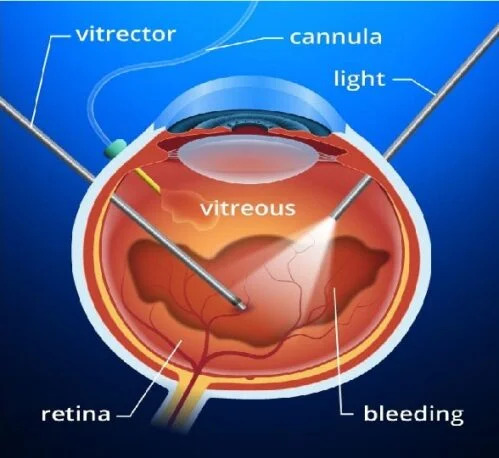
Vitrectomy surgery is a specialized procedure performed to address various eye conditions, particularly those affecting the vitreous humour, a gel-like substance within the eye. This surgery involves the removal of the vitreous humour, allowing surgeons to treat conditions such as retinal detachment, diabetic retinopathy, macular holes, or severe eye injuries. During the procedure, a tiny incision is made, and advanced microsurgical instruments are used to meticulously address the targeted issues. Vitrectomy can help restore or improve vision by clearing clouded or damaged vitreous, promoting better light transmission to the retina. Although recovery times vary, patients often experience improved visual outcomes and an enhanced quality of life following successful vitrectomy surgery.

Ensuring clarity in vision is our prime commitment at Shekar Eye Hospital. In the spectrum of our specialized services, the Vitrectomy Department stands out, dedicated to proficiently addressing disorders related to the eye’s vitreous.
Indications for Vitrectomy
- Macular Holes: Small breaks in the macula, leading to blurred or distorted central vision.
- Vitreous Hemorrhage: Blood leakage into the vitreous, is often a consequence of diabetic retinopathy.
- Retinal Detachment: The detachment of the retina from the underlying tissue.
- Certain Eye Infections: Where clearing the vitreous becomes necessary for treatment.
Our Unique Methodology
Evaluation: Every vitrectomy procedure begins with a comprehensive eye examination. With cutting-edge diagnostic tools, we ensure an accurate assessment of the eye’s condition.
Procedure: In a vitrectomy, the vitreous gel is carefully removed, making it easier to access the retina and treat it. Depending on the patient’s needs, the vitreous may be replaced with a saline solution, or gas bubble or silicone oil.
Why Entrust Shekar Eye Hospital with Vitrectomy?
- Excellence in Care: Our vitrectomy specialists have an illustrious track record, ensuring you’re in the safest hands.
- State-of-the-Art Equipment: We employ the most modern surgical tools, ensuring precision and minimizing risks.
- Patient-Centric Approach: We recognize the uniqueness of every individual’s condition and craft bespoke treatment plans.
- Education and Guidance: We believe informed patients make the best decisions. Thus, we ensure you understand the procedure, its benefits, and any associated risks.
Life After Vitrectomy

Post-operative care plays an instrumental role in the success of a vitrectomy. We guide our patients meticulously through the recovery process, emphasizing the importance of rest, medication adherence, and specific postural requirements (especially if gas or oil has been used in the surgery).
Final Thoughts
Vitrectomy, while a specialized procedure, can be a game-changer for many facing significant visual disturbances. At Shekar Eye Hospital, our aim is not just restoring vision but ensuring our patients regain their quality of life. When it comes to intricate procedures like vitrectomy, know that you’re placing your trust in the hands of experts.
Frequently Asked Questions
What is the cost of vitrectomy surgery?
The cost of vitrectomy surgery depends on several factors, including the eye condition being treated, the complexity of the surgery, the technology used, and whether additional procedures are required during the operation.
Since every patient’s condition is different, a detailed retinal examination is necessary to determine the most appropriate treatment plan and provide an accurate estimate of the surgery cost.
Is vitrectomy a risky surgery?
Vitrectomy is a well-established and commonly performed retinal surgery that is considered safe when recommended for the appropriate condition. Like any surgical procedure, it carries some risks, including infection, bleeding, cataract progression, retinal detachment, or changes in eye pressure. However, serious complications are uncommon.
Your retinal specialist will explain the benefits and possible risks before the procedure and recommend vitrectomy only if the expected benefits outweigh the potential risks.
Why is vitrectomy surgery performed?
Vitrectomy surgery is performed to treat conditions affecting the retina and the vitreous, the clear gel inside the eye. It allows the retinal specialist to access the back of the eye and repair or treat problems that may threaten vision.
How painful is a vitrectomy recovery?
Most patients experience only mild discomfort after vitrectomy surgery. It is common to have slight soreness, redness, watering, or a gritty sensation in the eye during the first few days. These symptoms usually improve with prescribed medications and proper post-operative care.
Severe pain is not expected after vitrectomy. If you develop intense pain, sudden vision loss, increasing redness, or excessive swelling, you should contact your ophthalmologist immediately.
Can I walk after vitrectomy surgery?
Yes. Most patients can walk carefully after vitrectomy surgery unless advised otherwise by their ophthalmologist. However, you should avoid strenuous activities, heavy lifting, bending, or any activity that may put unnecessary pressure on the eye during the initial recovery period.
If a gas bubble has been placed inside your eye, you may also be instructed to maintain a specific head position to support healing. Always follow your ophthalmologist’s post-operative instructions for a safe recovery.
How long does vitrectomy recovery take?
Recovery after vitrectomy varies depending on the condition being treated and your individual healing process. While the eye may begin to feel more comfortable within a few weeks, complete healing and visual recovery may take several weeks to a few months.
Regular follow-up visits are important to monitor healing and ensure the retina is recovering as expected. Your ophthalmologist will advise you when it is safe to return to work, drive, and resume normal activities.
What precautions should be taken after vitrectomy?
After vitrectomy surgery, it is important to use your prescribed eye drops exactly as directed, avoid rubbing your eyes, and protect the eye from dust, water, and injury. You should also avoid heavy lifting, strenuous exercise, and swimming until your ophthalmologist confirms it is safe.
If a gas bubble has been placed inside your eye, you must not travel by air or visit high-altitude locations until the bubble has completely dissolved. Attending all follow-up appointments is essential to ensure proper healing and detect any complications early.
What are the success rates of vitrectomy surgery?
Vitrectomy surgery has a high success rate for treating many retinal conditions, especially when the problem is diagnosed and treated early. The outcome depends on factors such as the underlying eye disease, the severity of retinal damage, how long the condition has been present, and the overall health of the eye.
In many cases, vitrectomy helps preserve vision, improve eyesight, or prevent further vision loss. Your retinal specialist can provide a better estimate of the expected outcome after evaluating your specific eye condition.