




Oculoplasty, often recognized as oculoplastic surgery, is a specialized branch of ophthalmology that deals with the restoration, reconstruction, and improvement of the structures surrounding the eye. At Shekar Eye Hospital, our commitment to providing world-class eye care services extends to the domain of oculoplasty, ensuring that our patients not only see the world clearly but also look their best.
Understanding Oculoplasty
While the primary objective of ophthalmology is to enhance or restore vision, oculoplasty delves deeper. It addresses anomalies, cancers/ tumors, injuries, and age-related changes that affect the eyelids, tear ducts, and the orbit (bony socket around the eye). By merging medical precision with aesthetic considerations, oculoplasty provides both functional and cosmetic solutions.
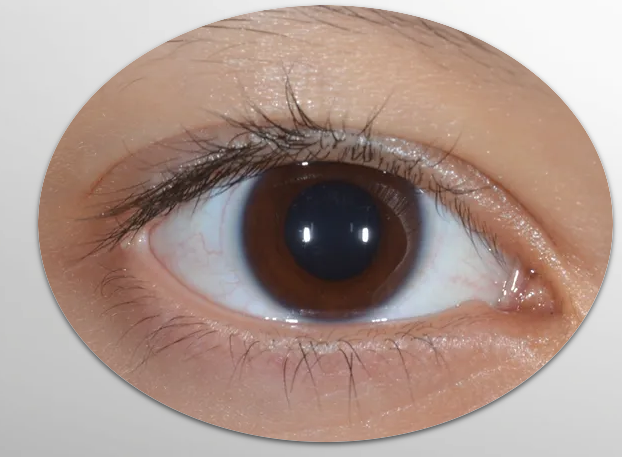
Why Choose Shekar Eye Hospital for Oculoplasty?
- Expertise and Experience: At Shekar Eye Hospital, our team of oculoplastic surgeons carries a wealth of experience, ensuring that each procedure is tailored to the patient’s unique requirements.
- Cutting-edge Technology: We constantly update our equipment and techniques, ensuring that our patients receive the benefits of the latest advancements in oculoplastic surgery.
- Holistic Approach: We believe in a comprehensive approach, where we not only address the primary concern but also consider the overall facial aesthetics, ensuring harmony and balance in appearance.
Types of Oculoplastic Procedures at Shekar Eye Hospital
- Eyelid Surgery: Whether it’s droopy eyelids (ptosis) that obstruct vision or the removal of unsightly growths, eyelid malposition in/out turning of eyelids, Injury & fractures, reconstruction & tumors, our surgeons expertly handle a range of eyelid procedures ensuring minimal scarring and maximal functional and aesthetic outcomes.
- Tear Duct Surgery: Blocked tear ducts can cause persistent watering and recurrent eye infections. Our advanced procedures ensure that tear drainage is restored, alleviating discomfort and potential complications.
- Orbital Surgery: Conditions like thyroid eye disease or tumours may necessitate surgeries involving the bony socket. At Shekar Eye Hospital, we prioritize both the health of the eye and the cosmetic outcome.
Recovery and Aftercare
Post-surgical care is paramount for optimal results. At Shekar Eye Hospital, we prioritize patient education, ensuring they are well-informed about aftercare. Our team is always available for post-operative check-ups and to address any concerns, ensuring a smooth recovery journey
Conclusion
Vision is a precious gift, but the structures surrounding the eyes are equally important for function and appearance. Oculoplasty bridges the gap between vision care and aesthetic appeal. At Shekar Eye Hospital, we are proud to offer top-tier oculoplastic services, reaffirming our commitment to comprehensive eye care.
Frequently Asked Questions
What is the difference between a plastic surgeon and an oculoplastic surgeon?
A plastic surgeon is trained to perform reconstructive and cosmetic procedures on different parts of the body, including the face, breast, hands, and skin. An oculoplastic surgeon, on the other hand, is an ophthalmologist who has received focused training in treating conditions affecting the eyelids, tear ducts, eye socket (orbit), and the areas around the eyes.
What is the cost of oculoplastic surgery in India?
The cost of oculoplastic surgery in India depends on several factors, including the type of procedure, the complexity of the condition, the hospital, and the treatment required. Procedures such as ptosis (droopy eyelid) correction, eyelid reconstruction, tear duct surgery, or orbital surgery may have different costs.
A detailed consultation and eye examination are the best way to determine the appropriate treatment and receive an accurate estimate based on your individual condition.
Is oculoplastic surgery painful?
Oculoplastic surgery is generally not painful because it is performed under local or general anaesthesia, depending on the type of procedure and the patient’s needs. During the surgery, you should not feel pain, although you may notice slight pressure or movement.
After the procedure, mild swelling, bruising, or discomfort is common for a few days. These symptoms usually improve with prescribed medications, proper wound care, and follow-up as advised by your ophthalmologist.
What conditions are treated by an oculoplastic surgeon?
An oculoplastic surgeon treats a wide range of conditions affecting the eyelids, tear drainage system, eye socket, and surrounding facial structures. Common conditions include droopy eyelids (ptosis), eyelids that turn inward or outward, blocked tear ducts, eyelid lumps or cysts, eyelid injuries, thyroid eye disease, eye socket disorders, and tumours around the eyes.
How long does recovery take after oculoplastic surgery?
Recovery after oculoplastic surgery depends on the type of procedure performed and your body’s natural healing process. Many patients can return to light daily activities within a few days, while complete healing may take several weeks.
Mild swelling, bruising, and tenderness around the eyes are common during the first few days after surgery. Following your ophthalmologist’s instructions, taking prescribed medications, and attending follow-up appointments can help ensure a smooth recovery.
Who is a candidate for oculoplastic surgery?
You may be a candidate for oculoplastic surgery if you have conditions affecting the eyelids, tear ducts, eye socket, or the tissues surrounding the eyes. Surgery may be recommended if these conditions interfere with your vision, cause discomfort, affect eye function, or require reconstruction after injury or disease.
The decision to proceed with surgery is made after a comprehensive eye examination and a detailed assessment of your overall eye health. Your ophthalmologist will recommend the most appropriate treatment based on your individual condition and needs.